
Using new sources of organic materials to build fertile soils
Context and challenges
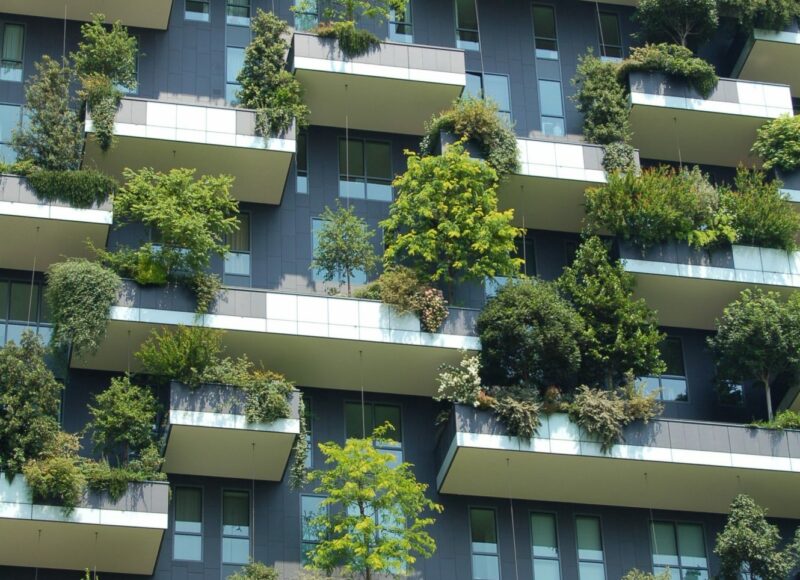
In urban environments, which become denser every year, the area of functional and available soil in the city is increasingly small. Yet soils provide us with many services, sometimes invisible but indispensable to our lives: a support for cultivation, water infiltration, the introduction of cool islands and biodiversity, etc. To preserve natural soil, it is no longer conceivable to move it to bring it into the city. It is therefore necessary to find other solutions to recreate soils. One of the methods used for more than 20 years now is the construction of soils using materials considered to be waste. However, the diversity of these materials is such that it is necessary to test their effectiveness for building soils before considering installing them in green infrastructure.
Objectives and methods
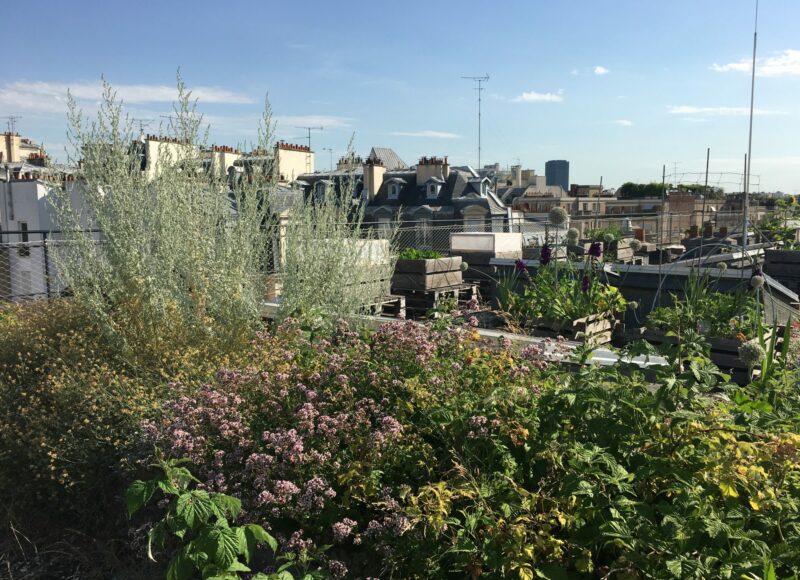
This project aims to assess the influence of the use of new organic resources on the functioning of a constructed soil. To do so, 5 organic materials that are little or not used for soil construction will be used and combined with backfill soil to build soils on a rooftop. The use of new organic resources offers the opportunity to broaden the range of materials usable for soil construction. Moreover, the available resources may differ from one locality to another, so it is essential to assess the possibility of using a variety of materials to build soils, while fitting into circular-economy challenges in urban environments. The ultimate objective is to show that new organic resources can be used to build a functional soil, and that they enable these soils to provide ecosystem services that are indispensable in urban environments (urban agriculture, the provision of biodiversity and the reduction of heat islands through the revegetation of spaces, etc.).

UMR ECOSYS
- About
- Researchers
- Practitioner groups
- Research areas