

Project
Modelling the water balance of vegetated areas in urban or heavily artificialised environments
Designing, implementing and testing a water-balance model for vegetated urban areas.
Context and challenges
The project is part of an approach aimed at better managing stormwater and reducing the urban heat-island effect through vegetation. In cities, however, conditions are particular: the presence of buildings, roads and other features alters water inputs as well as radiation. These constraints directly influence the water functioning of vegetation, making a better understanding of these interactions in an urban context necessary.
Objectives and methods
The main objective is to develop a water-balance model specific to urban constraints (urban canyons, roads, etc.) where water resources and radiation are modified by the surrounding built environment. The model’s results will be compared with in-situ measurements in a few case studies.
Researcher
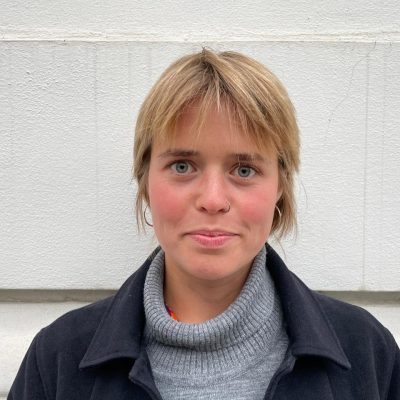
PhD student
AgroParisTech - Université Paris-Saclay
UMR ECOSYS - INRAE
UMR ECOSYS - INRAE
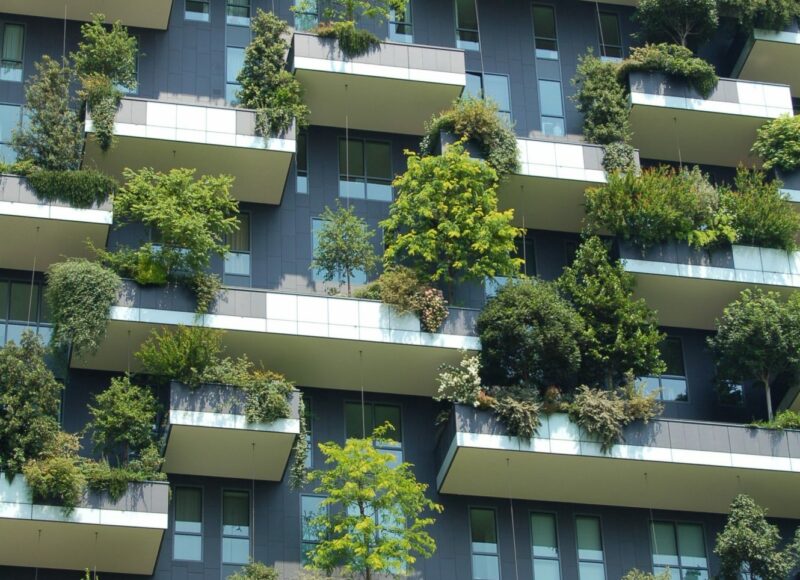
Reconciling nature and the city, a highly artificial environment, is an art that is practised from the scale of the building to that of the suburban territory, including that of the neighbourhood.
Learn more
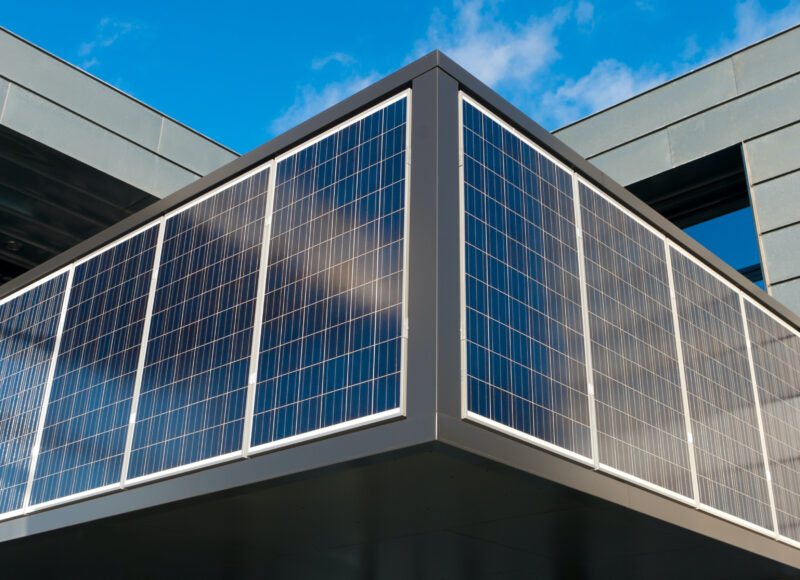
Buildings can be designed and operated to radically improve their energy efficiency and reduce their environmental impact.
Learn more
- About
- Researchers
- Research areas